We're always
scratching for a few kernels of wisdom. We're always
scratching for a few kernels of wisdom. Send in your ponderings, opinions or predictions. |
Farmers feed the majority of turkeys and deer. But
during the nesting season, some hens are inadvertently
killed. This turkey was swallowed by a haybine. Five days
earlier, a forage harvester swallowed the rest of this
deer in a different field.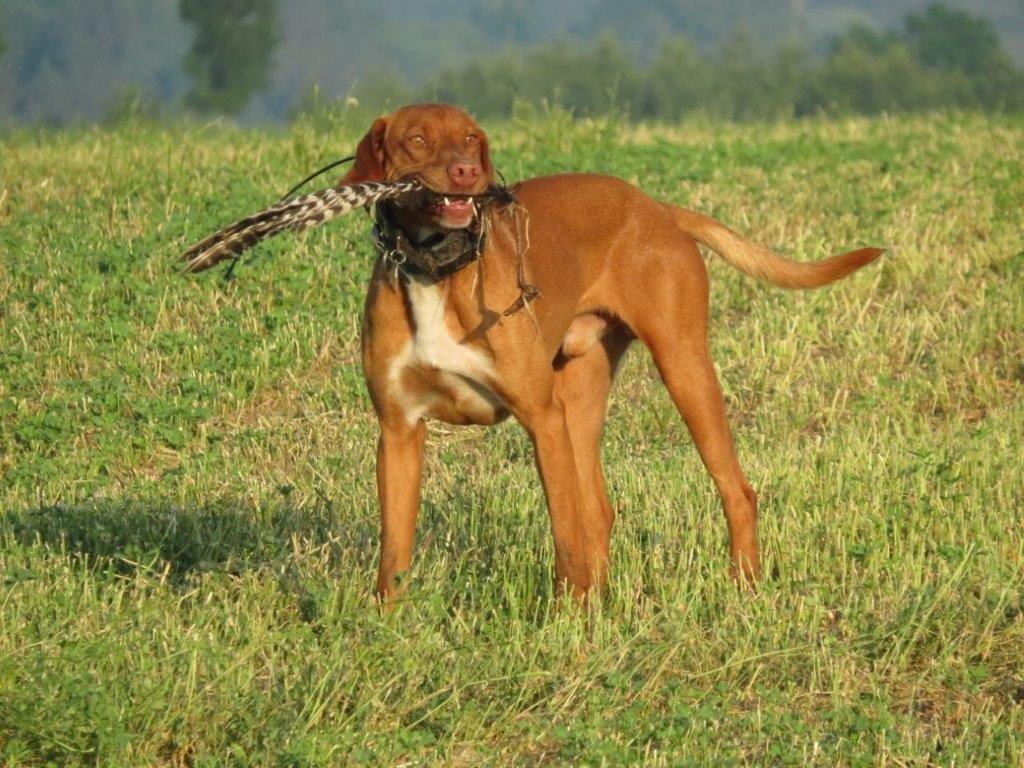 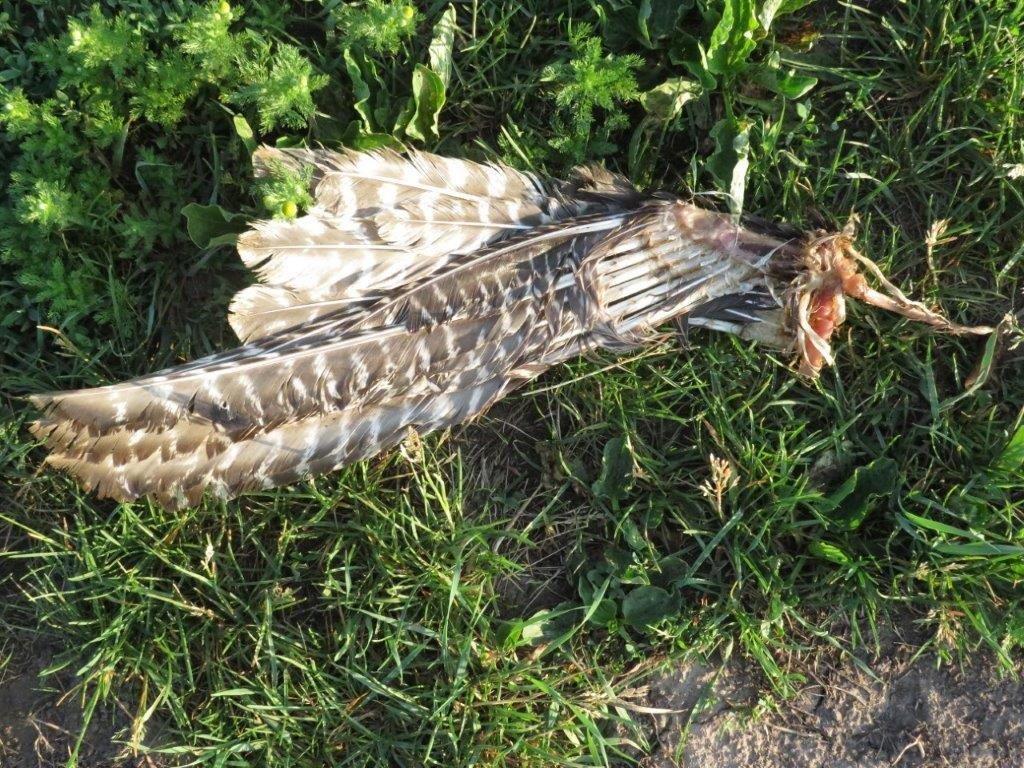 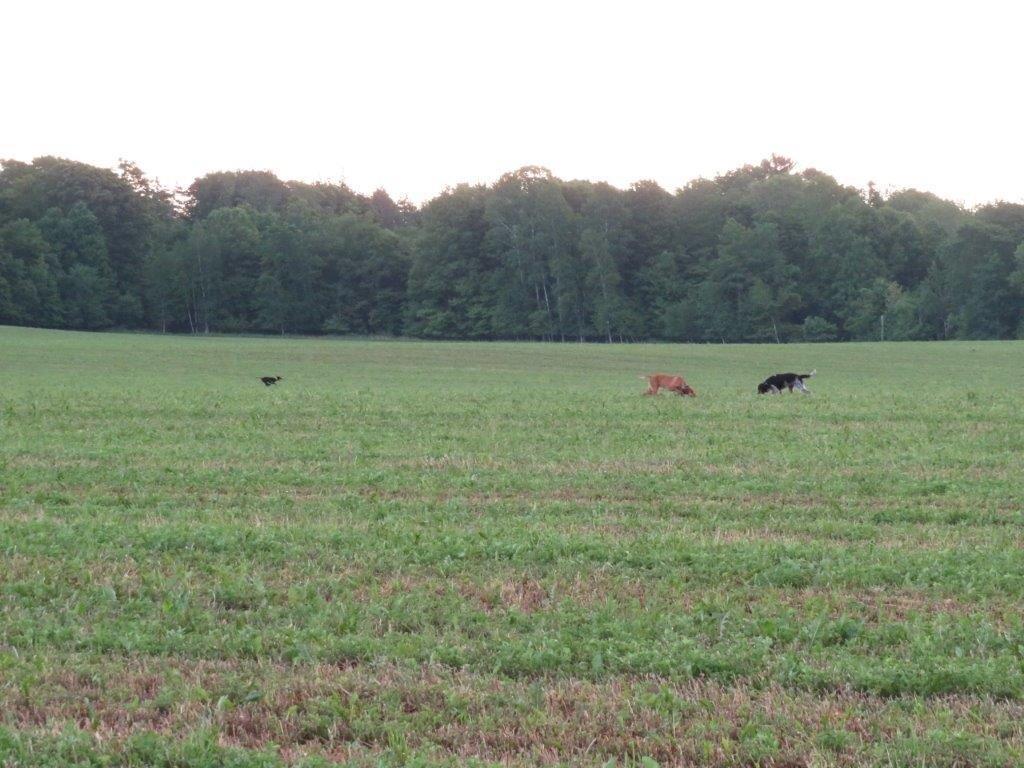 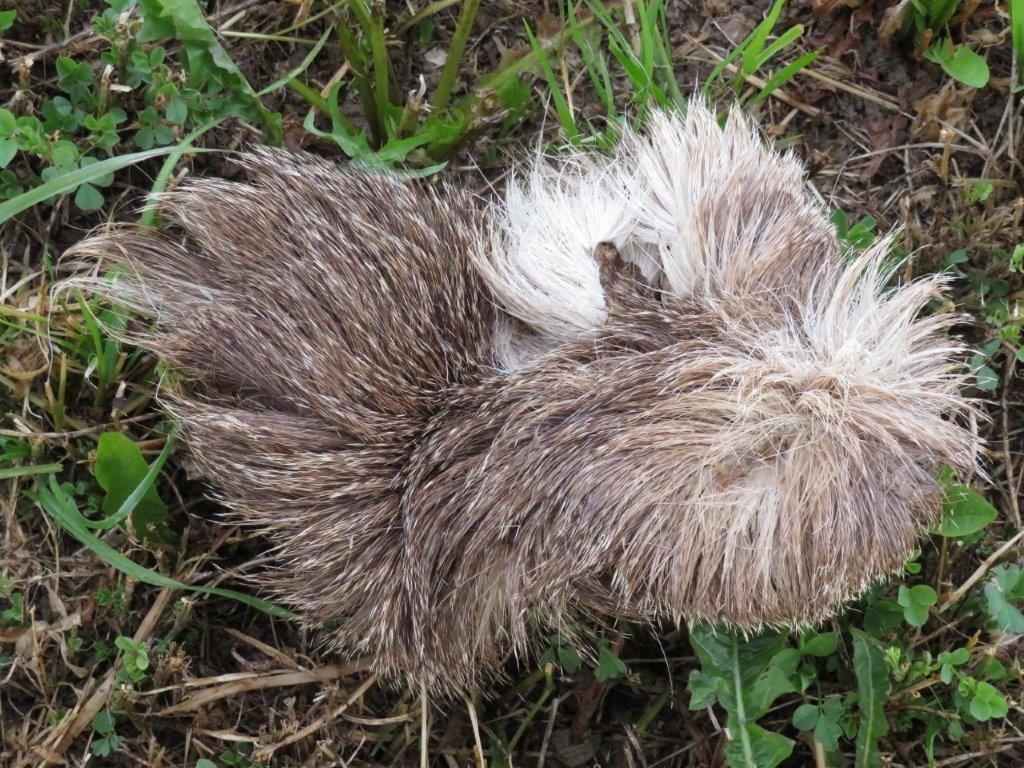 What we need are robot drones with infrared cameras that launch before they mow. Volunteer hunters then clear the field of nesting turkeys and bedded deer for the farmer. This turkey was in a 15 acre field. The deer was in a 60 acre field. Get permission to exercise your dog in freshly cut hayfields, find the remnants and help build the database! Send pictures and data here. For every deer and turkey flushed before mowing, Whitetails Unlimited, Bass Pro Shops, Cabelas, NWTF and the AWTHDA would reimburse farmers for their trouble. If you're reading this and would like to help, send an email. Drone technology has come a long way in the last 6 years, here's from 2015: Drones with infrared cameras save turkeys from harvesters. Perhaps we can incorporate the program into existing agricultural drones. Save the turkeys, save the deer, save farmers having to clean the mower. |
  "As a boy
growing up, I enjoyed hunting pheasants and rabbits with
my father and dogs that he or his friends owned. There
were very few turkeys around in those days, mostly in the
mountains of Pennsylvania where we would hunt deer. "As a boy
growing up, I enjoyed hunting pheasants and rabbits with
my father and dogs that he or his friends owned. There
were very few turkeys around in those days, mostly in the
mountains of Pennsylvania where we would hunt deer.I never gave a whole lot of thought to turkey hunting until I bought some land in western NY to use for deer hunting. I often spied turkeys in the woods or fields or bumped them out of their trees, and decided I wanted to learn how to hunt these fascinating birds. 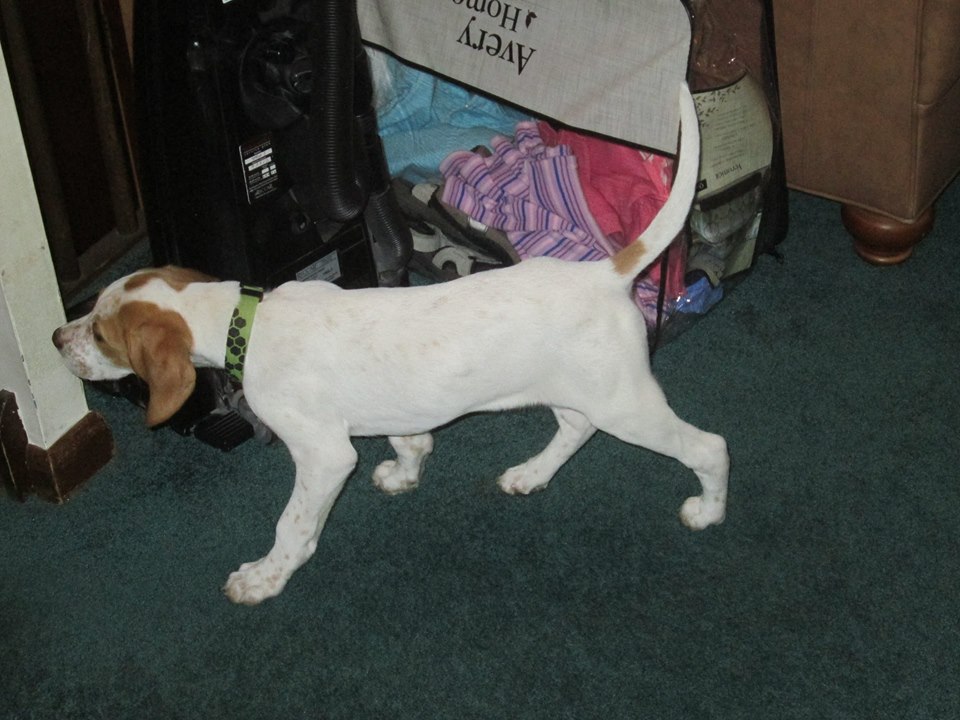 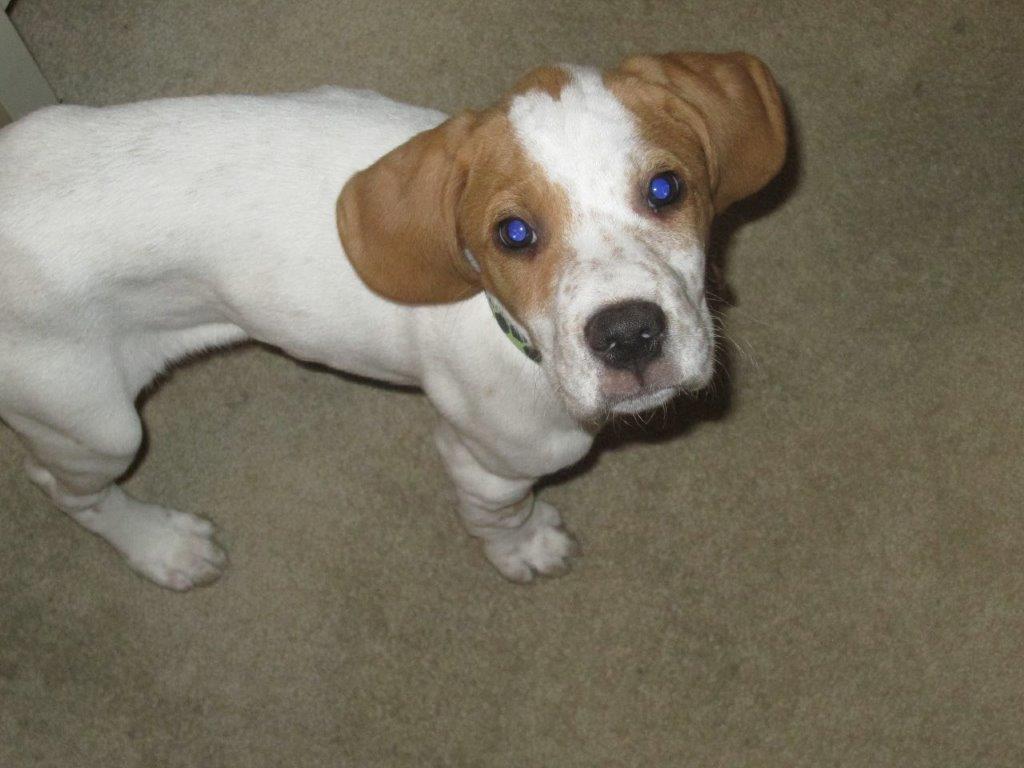 Most of what I learned at
first about turkey hunting was from books or magazines. I
did manage to meet up with a couple good mentors along the
way who showed me the ropes of spring turkey hunting. My
first turkey that I killed was in New York state in the
fall, I doubled up on two jakes that practically flew down
into my lap early one chilly morning. I also met a
call-maker at an outdoor show who had a Springer Spaniel
that he trained to hunt fall turkeys, he took me along a
few times, and I Most of what I learned at
first about turkey hunting was from books or magazines. I
did manage to meet up with a couple good mentors along the
way who showed me the ropes of spring turkey hunting. My
first turkey that I killed was in New York state in the
fall, I doubled up on two jakes that practically flew down
into my lap early one chilly morning. I also met a
call-maker at an outdoor show who had a Springer Spaniel
that he trained to hunt fall turkeys, he took me along a
few times, and I 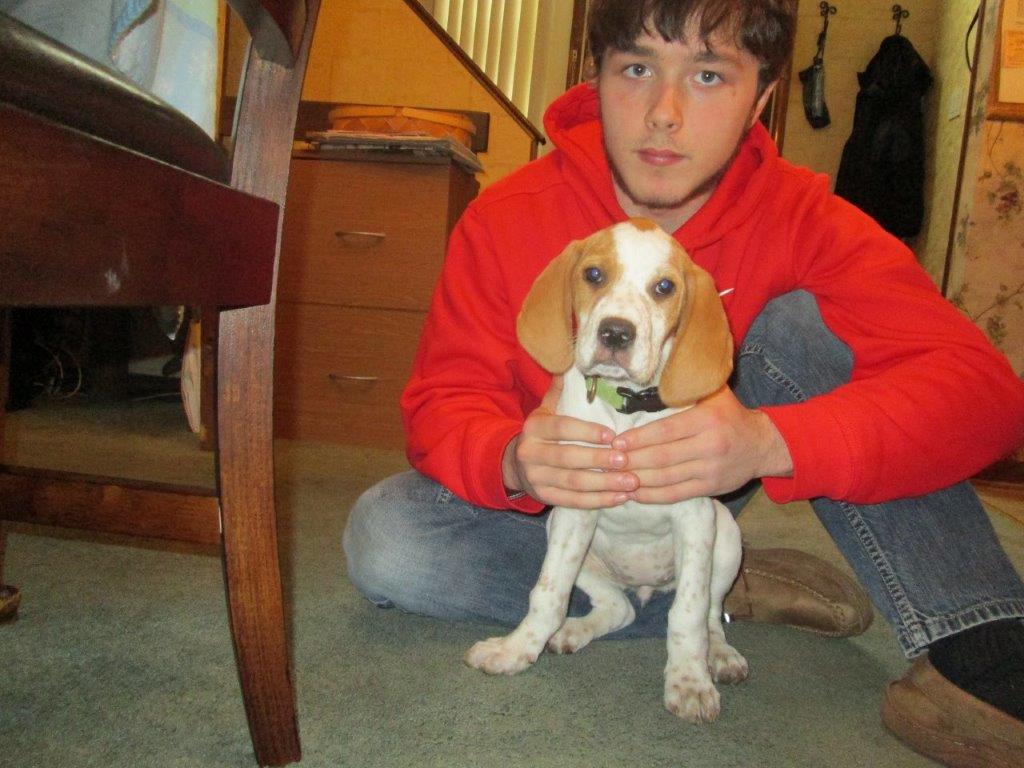 really loved the whole
experience of walking the hills in early October, watching
the really loved the whole
experience of walking the hills in early October, watching
the  dogs bust a flock of
birds, and the success (and sometimes disappointment) of
trying to call birds back in after a flush. I also met up
with a great guide in New York state, Kevin Evans from
Turkey Ridge Raquette, who had turkey dogs. dogs bust a flock of
birds, and the success (and sometimes disappointment) of
trying to call birds back in after a flush. I also met up
with a great guide in New York state, Kevin Evans from
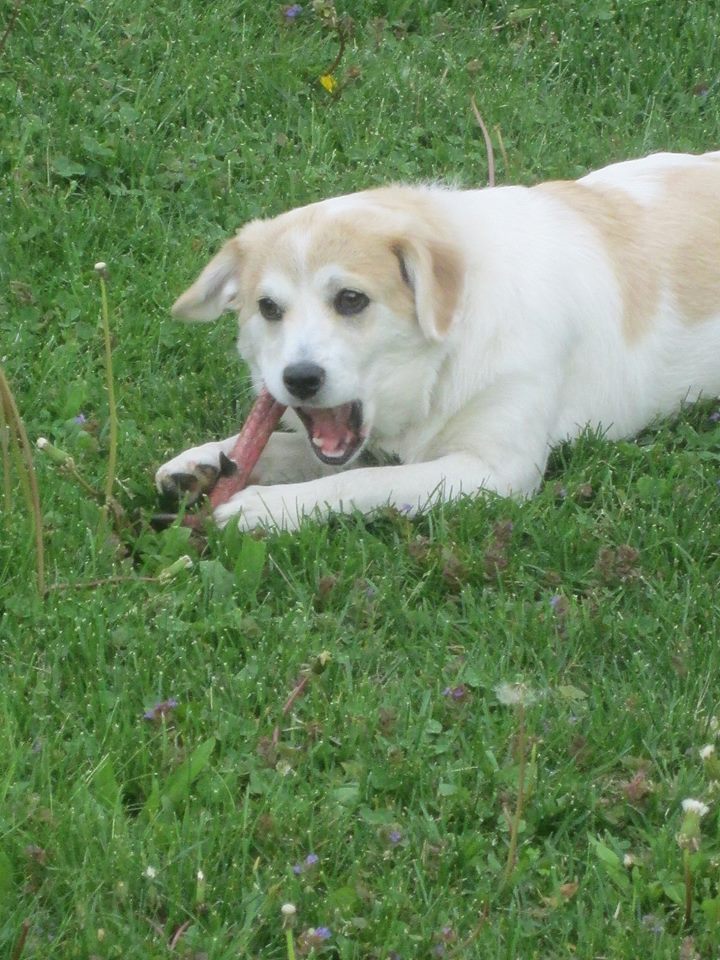
Turkey Ridge Raquette, who had turkey dogs. Last year, I finally decided to take the plunge on my own, and try to train a turkey dog. I knew this was not going to be easy, because there are not a lot of huntable birds in the corner of Pennsylvania where I live. My first pup Mia was a rescue dog, I was told the dog was some sort of spaniel mixed with Golden Retriever, but after she grew a little, it became obvious I was duped, she’s probably a 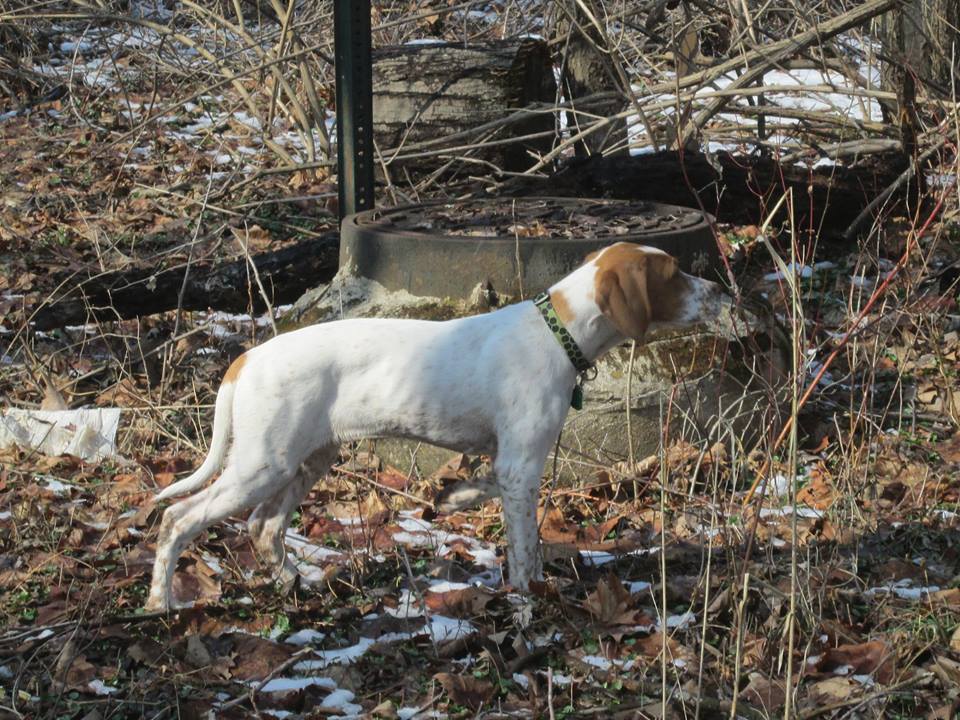 Jack Russell
Terrier mixed with some larger dog. Since she seemed to Jack Russell
Terrier mixed with some larger dog. Since she seemed to 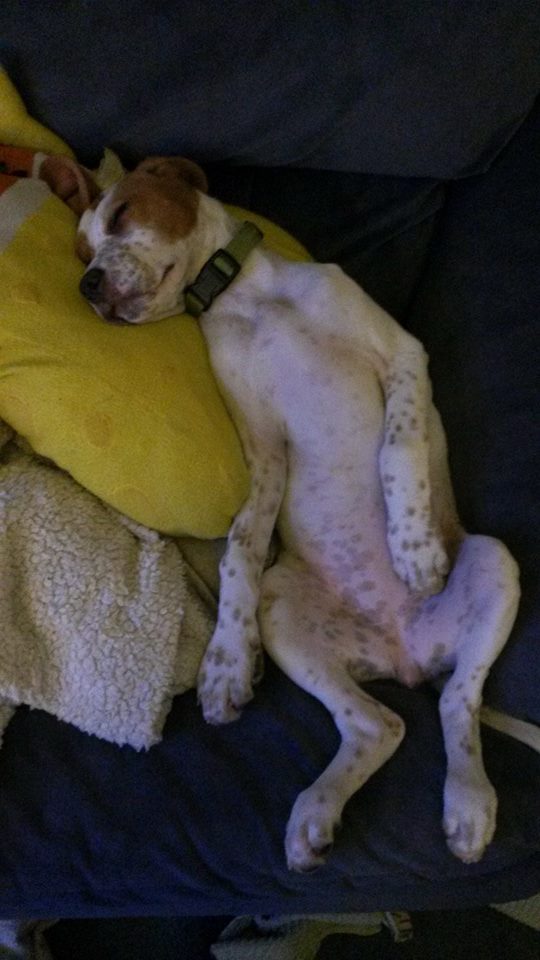 have a good nose and
interest in birds, I spent a lot of times with her in the
woods and training, but she never really had the drive
that you need in a hunting dog, so she’s been retired and
spends her days as a lap dog and burglar/mailman alarm.
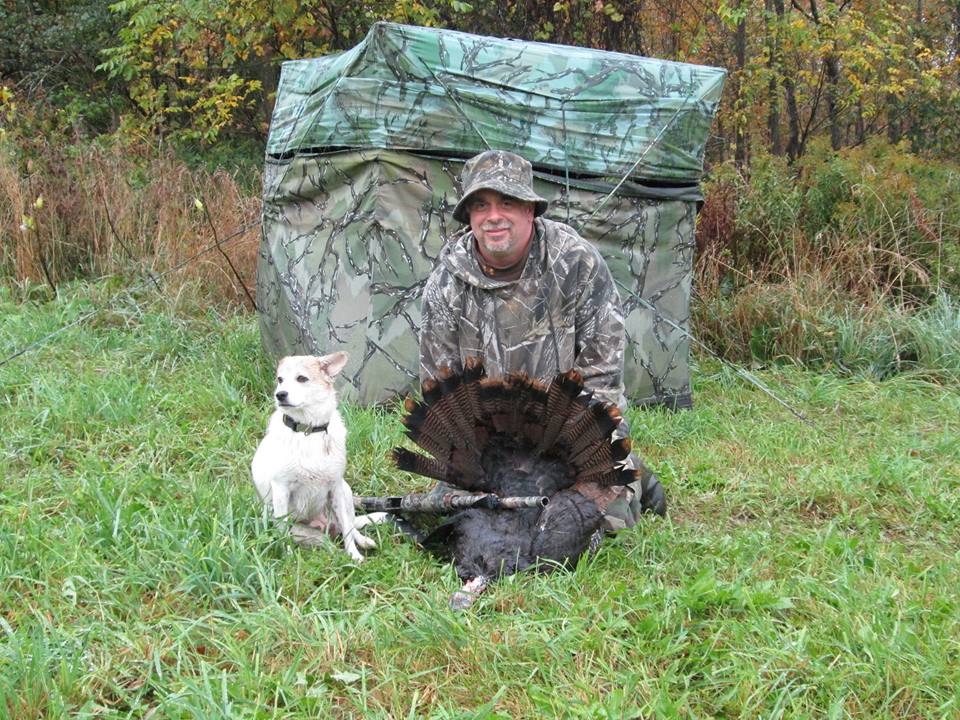
Here is a picture of Mia with a fall bird that I shot last
year. have a good nose and
interest in birds, I spent a lot of times with her in the
woods and training, but she never really had the drive
that you need in a hunting dog, so she’s been retired and
spends her days as a lap dog and burglar/mailman alarm.
Here is a picture of Mia with a fall bird that I shot last
year.This year, after a little coaxing from a friend, I decided to go back to the drawing board and start over again. This time I got a bonafide turkey dog, a pointer/setter mix that I got from Mr. Randy Carter in Virginia. 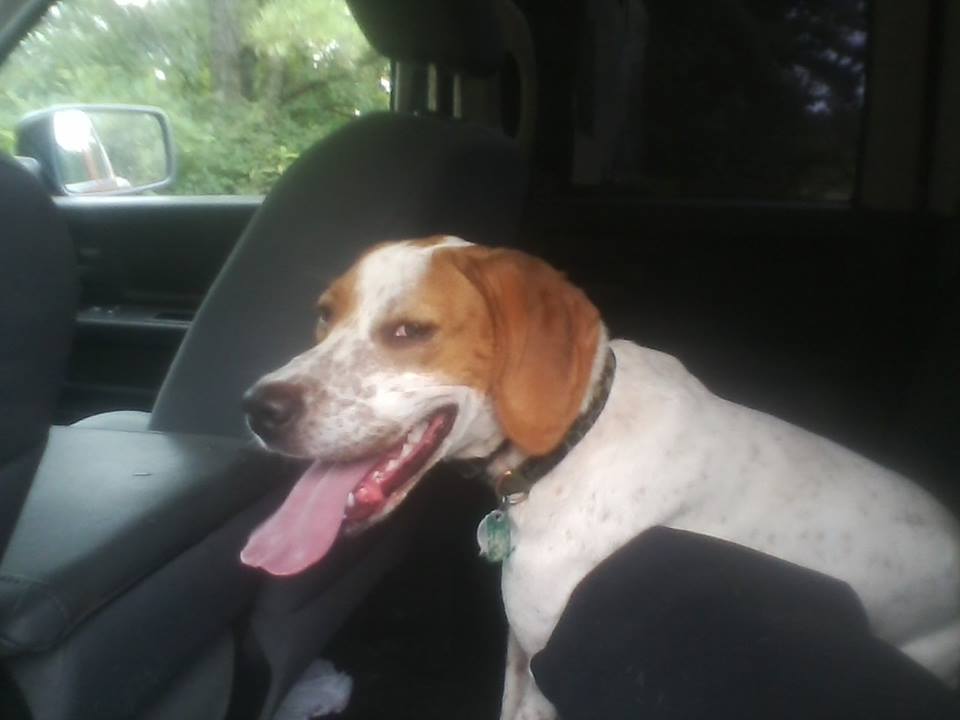 We called
her Maizy, she comes from a long line of successful turkey
dogs. She has boundless energy, which is great in the
woods, but not so great in the house, where we keep her.
The first 6 months that we had her I took her out for
numerous long walks in the woods, trained her in the yard
with turkey wings and dead chukars, and took her a number
of times to a pheasant farm to give
her exposure to flushing live birds. At 8 months, I sent
her to Kevin Evans to work with his dogs,
and he was able to train her on some more advanced
techniques and she broke flocks multiple times when she
was with him. We called
her Maizy, she comes from a long line of successful turkey
dogs. She has boundless energy, which is great in the
woods, but not so great in the house, where we keep her.
The first 6 months that we had her I took her out for
numerous long walks in the woods, trained her in the yard
with turkey wings and dead chukars, and took her a number
of times to a pheasant farm to give
her exposure to flushing live birds. At 8 months, I sent
her to Kevin Evans to work with his dogs,
and he was able to train her on some more advanced
techniques and she broke flocks multiple times when she
was with him.I am looking forward to hunting with Maizy this fall, she is showing all the signs of becoming a great turkey dog. Because of the conservative fall limits in PA (and starting this year in NY), I am looking into hunting in Virginia this year, where all of this started." Nick Dalasio King of Prussia, PA Sept. 10, 2015 Update October 12, 2015:
 "I had
Maizy (10 months old) down to Virginia to train with Earl
Sechrist & his dog Patch (18 months) this
weekend. We went to the Quantico marine base, GREAT turkey
population. Maizy put in 6 hard hours Saturday, 4
yesterday. She had 7 breaks total, all with a ton of
barking. 4 of the flushes were within eyesight, 99% sure
the other breaks were turkeys, not her barking at deer
since we saw birds in the trees afterwards and were
watching her on Earl's GPS system, she was working the
same area (not heading out in a straight line). She's
ranging as far as 400 yards. I feel this was EXACTLY what
she needed, gave me some piece of mind as well. Oddly
enough, when she gets a good scent, she'll let out a
couple small barks first, then she's off to the races. I'm
picking up a GPS collar today, might as well get the best.
In for a penny, in for a pound." Nick
Dalasio King of Prussia, PA "I had
Maizy (10 months old) down to Virginia to train with Earl
Sechrist & his dog Patch (18 months) this
weekend. We went to the Quantico marine base, GREAT turkey
population. Maizy put in 6 hard hours Saturday, 4
yesterday. She had 7 breaks total, all with a ton of
barking. 4 of the flushes were within eyesight, 99% sure
the other breaks were turkeys, not her barking at deer
since we saw birds in the trees afterwards and were
watching her on Earl's GPS system, she was working the
same area (not heading out in a straight line). She's
ranging as far as 400 yards. I feel this was EXACTLY what
she needed, gave me some piece of mind as well. Oddly
enough, when she gets a good scent, she'll let out a
couple small barks first, then she's off to the races. I'm
picking up a GPS collar today, might as well get the best.
In for a penny, in for a pound." Nick
Dalasio King of Prussia, PAUpdate November 16, 2015:
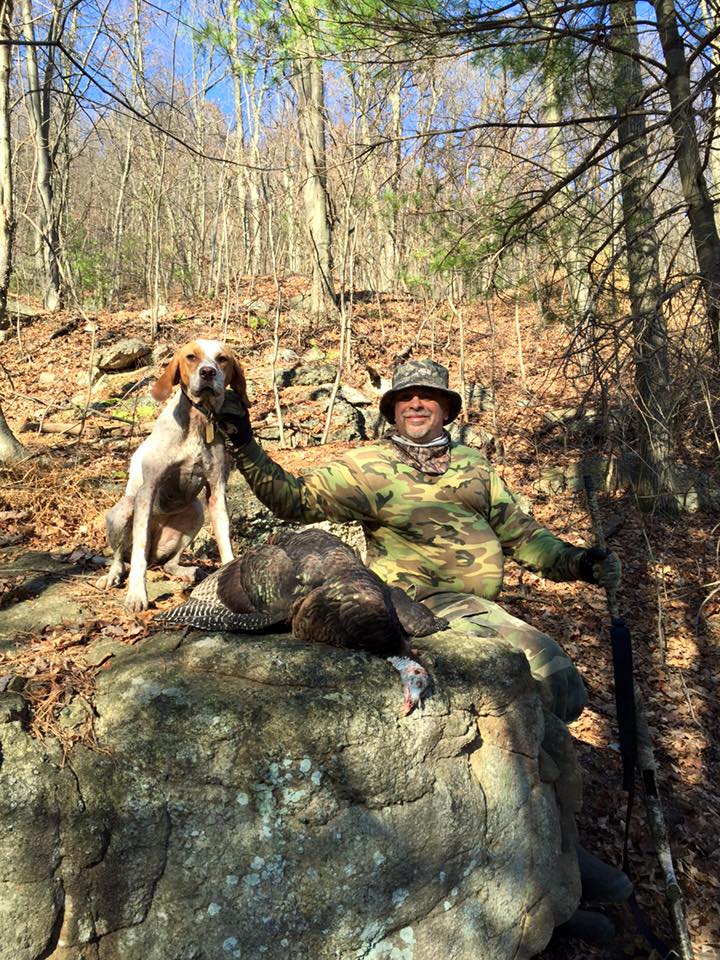 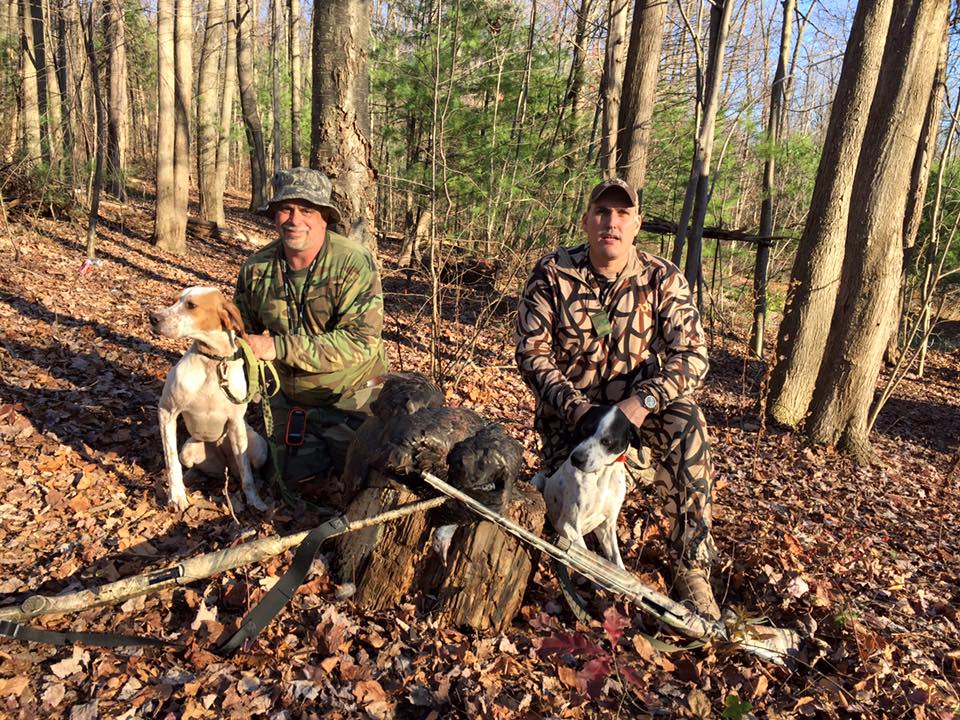 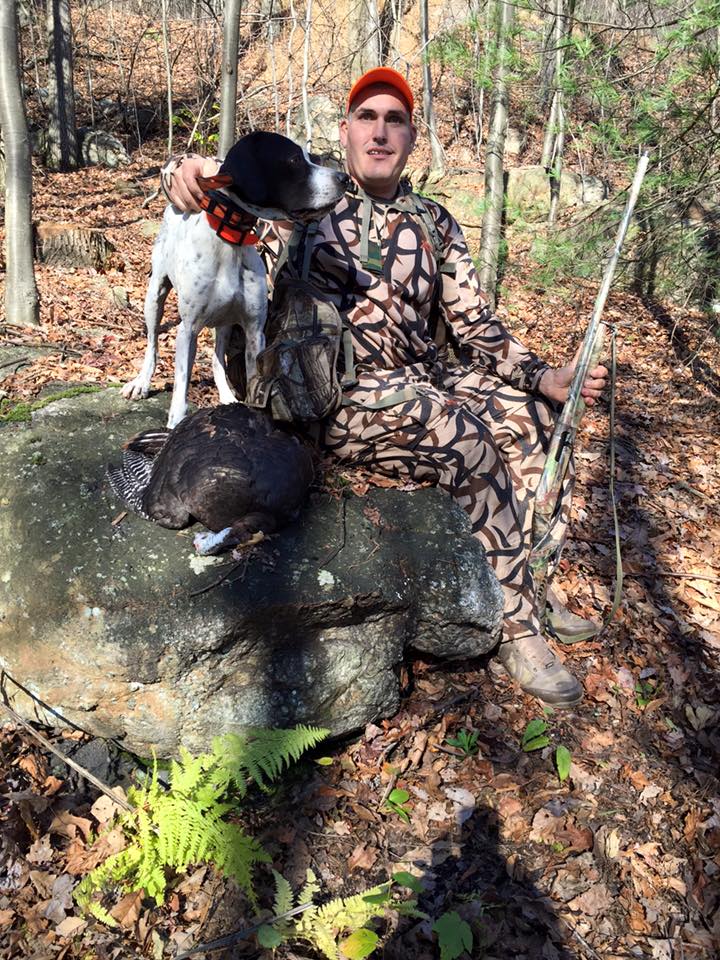 "GREAT
day in the PA turkey woods today. I hunted with Job Seger
and his Byrne's dog Gunner. Both Gunner and Maizy were in
on the break, Job got his bird first, and 40 minutes later
I killed this first-year jake. Maizy sat great for me, and
headed straight for the bird after the shot. This was my
first bird that I killed with Maizy, we've had a lot of
close calls this fall, but were able to put it all
together today. SOOO proud of my girl, she keeps getting
more confident each time I take her in the woods. A day I
won't forget for a long time." Nick "GREAT
day in the PA turkey woods today. I hunted with Job Seger
and his Byrne's dog Gunner. Both Gunner and Maizy were in
on the break, Job got his bird first, and 40 minutes later
I killed this first-year jake. Maizy sat great for me, and
headed straight for the bird after the shot. This was my
first bird that I killed with Maizy, we've had a lot of
close calls this fall, but were able to put it all
together today. SOOO proud of my girl, she keeps getting
more confident each time I take her in the woods. A day I
won't forget for a long time." NickScroll down to the green row near the bottom of this page, to see Gunner 5 years ago, when he was 4 1/2 months old, with his first bird! A couple of great Pennsylvania turkey dogs, carrying on the tradition! |
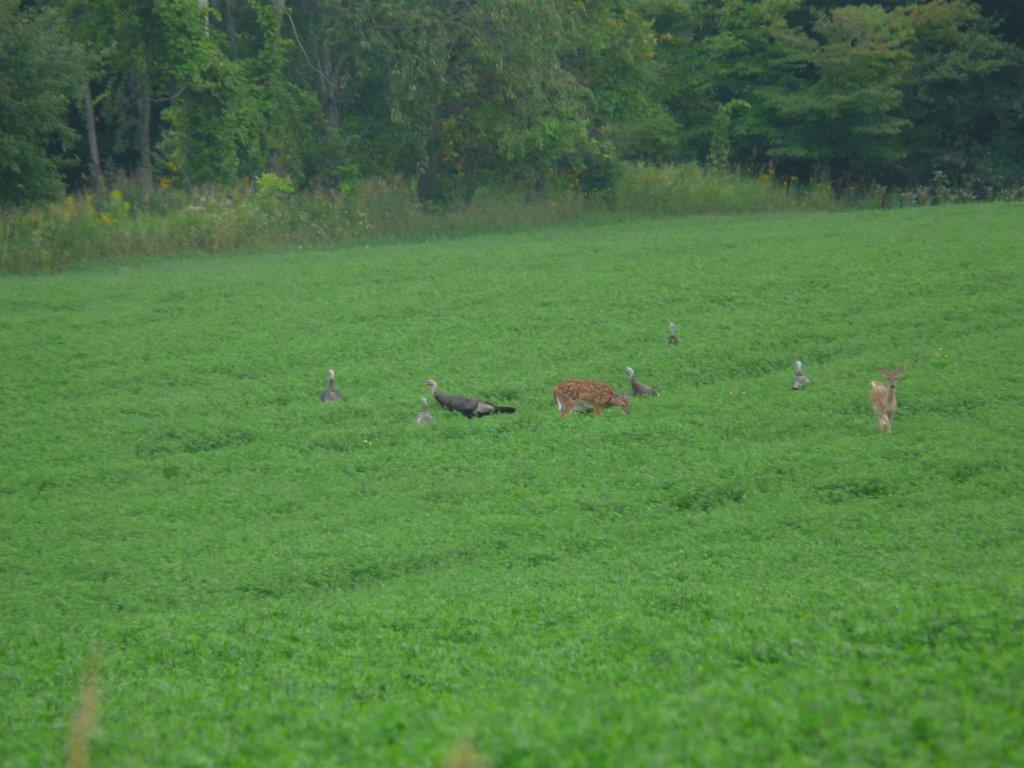 Tisch Mills, WI (AP) -
Husband & wife archers report failure when deer
& turkeys gang up for their protection. Exclusive
to TurkeyDog.Org - 9/20/14 Tisch Mills, WI (AP) -
Husband & wife archers report failure when deer
& turkeys gang up for their protection. Exclusive
to TurkeyDog.Org - 9/20/14"Turkeys are walking right under the deer, like chickens walk under cows in the barnyard. No fear of each other. They work together now, like one species." 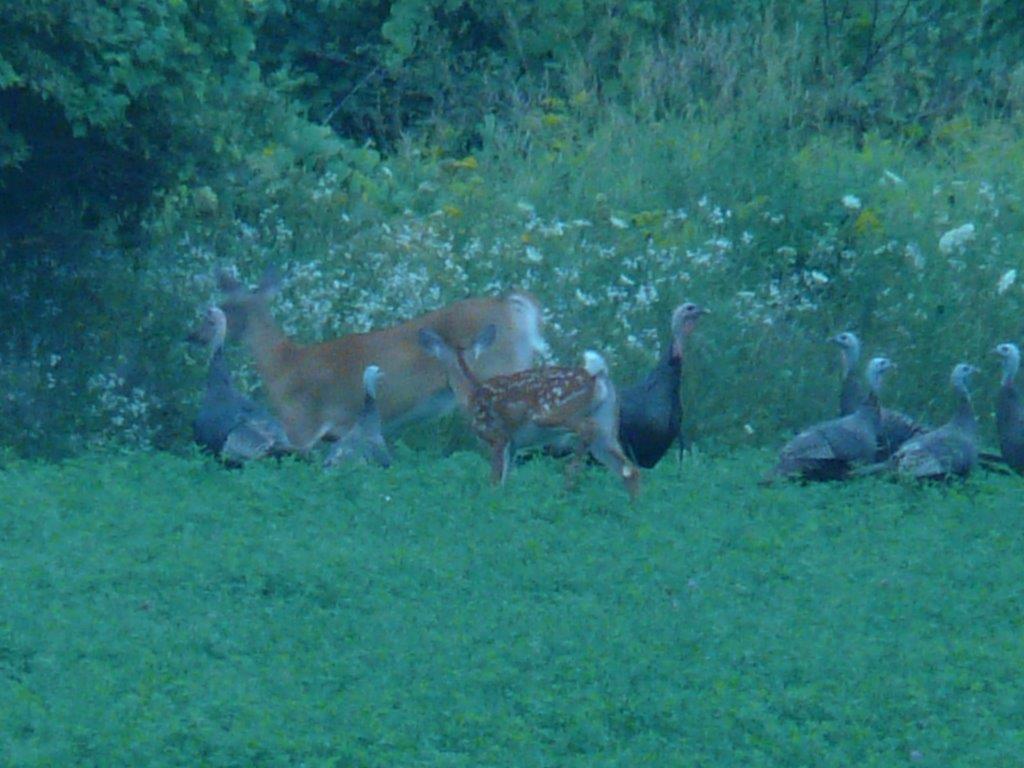 For years, hunters
have reported deer are getting harder to hunt, because the turkeys warn the
deer, and vice-versa. After seeing many examples
such as; 'football like' huddles of deer and turkeys
(pictures left & right), to big bucks that survived
the hunting season (walking single file, hiding in the
middle of a flock of 15 turkeys), to turkeys walking
underneath the deer, by 2014 the symbiosis
is complete. For years, hunters
have reported deer are getting harder to hunt, because the turkeys warn the
deer, and vice-versa. After seeing many examples
such as; 'football like' huddles of deer and turkeys
(pictures left & right), to big bucks that survived
the hunting season (walking single file, hiding in the
middle of a flock of 15 turkeys), to turkeys walking
underneath the deer, by 2014 the symbiosis
is complete. The biologists say it's facultative, not obligate. And the best alternative archers have, is to invite turkey hunters to put the fear of dog into them. Otherwise, because of their affiliation with the turkey lookouts, the big bucks become harder to find. Guaranteed to increase the archer's odds, as the deer's perimeter sentinels will be watching for dogs, instead of deer. 2014 turkeydog.org |
| Here's a
tip on 3 things to keep stick-tites and burdocks
(aka cockle burs) from sticking to the hair of Setter type
dogs. (members only). If you have a long hair dog and have
stick-tites or burdocks where you hunt, this tip alone is
worth the price of membership. |
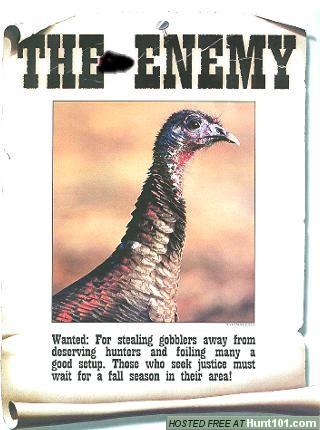 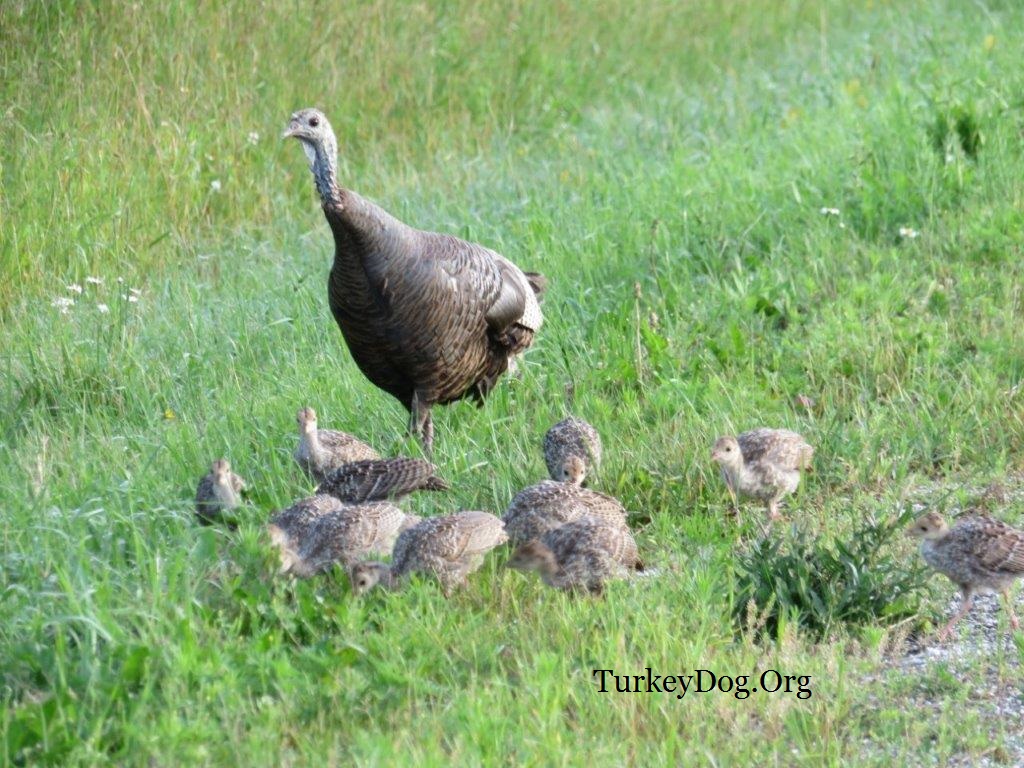 While this
picture jokingly refers to the hen being the enemy, many
turkey hunters (who have only hunted spring gobblers), may
fail to appreciate the critical position the hen has in
the flock hierarchy. Except for the spring breeding season
(when the hens are obviously in command of the toms), and
for a few months in the Winter, the males never associate
with the rest of the flock, only with other males. Males
are only dominant over other males and are rarely dominant
over females, except during the brief act of copulation.
Hunt turkeys in the Fall and you'll find they're all more
difficult to hunt than a gobbler in the Spring. Hens are
the ones in charge of the flock's safety all year long.
You see that in the Springtime, when they order the Toms
to follow them (rather than come to your call), in the
Summertime raising their young, in the Fall protecting the
family, and in the Winter when the Toms have joined the
flock. Hens are far more wary and responsible year round.
Especially more than the gobbler obsessed with just one
thing in the spring, when you see even old
timers
running
in to the gun While this
picture jokingly refers to the hen being the enemy, many
turkey hunters (who have only hunted spring gobblers), may
fail to appreciate the critical position the hen has in
the flock hierarchy. Except for the spring breeding season
(when the hens are obviously in command of the toms), and
for a few months in the Winter, the males never associate
with the rest of the flock, only with other males. Males
are only dominant over other males and are rarely dominant
over females, except during the brief act of copulation.
Hunt turkeys in the Fall and you'll find they're all more
difficult to hunt than a gobbler in the Spring. Hens are
the ones in charge of the flock's safety all year long.
You see that in the Springtime, when they order the Toms
to follow them (rather than come to your call), in the
Summertime raising their young, in the Fall protecting the
family, and in the Winter when the Toms have joined the
flock. Hens are far more wary and responsible year round.
Especially more than the gobbler obsessed with just one
thing in the spring, when you see even old
timers
running
in to the gun |
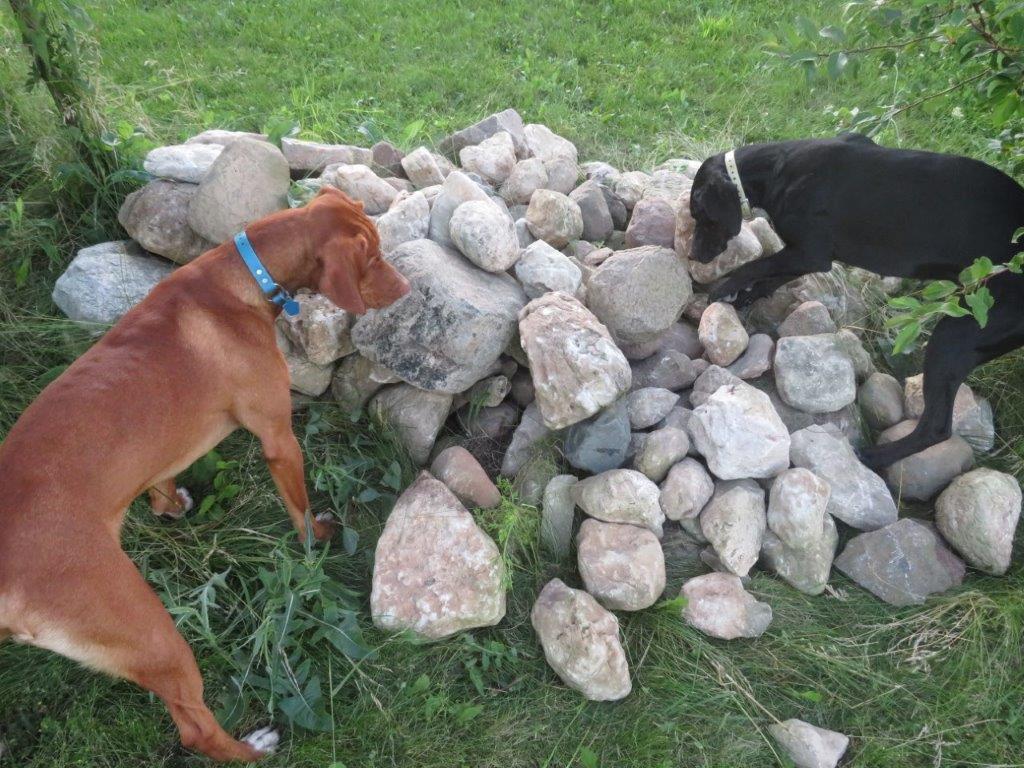 Is it a struggle to trim
your dogs nails? Put a stone pile in the yard. Is it a struggle to trim
your dogs nails? Put a stone pile in the yard.Soon enough a mouse or a chipmunk will have your dog doing her own nails. Listen. |
"I remember a pretty
incident in connection with a turkey hen demonstrating a
knowledge of character on her part. I had taken my stand
on the end of St. Eosas Island, off Pensacola, to watch
for deer that the hounds were driving. After my arrival a
turkey hen came skimming to the ground, and presently
walked toward a knoll of grass a few yards from my place
of concealment. Her anxious look and her feigned attitude
of indifference immediately showed that she was near her
nest, and taking a pocket spy-glass I carried with me to
watch the water channels, I presently saw her settle
herself down among some low willows, until nothing but her
head appeared.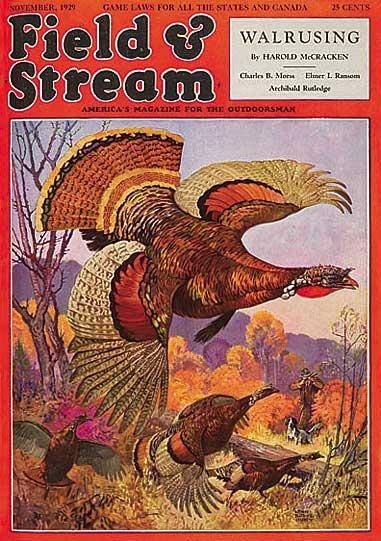 Shortly
afterward a fox came by, and coming across the trail of
the turkey he turned short about, and throwing up his
sharp nose, scented the different spears of grass the bird
had touched, and then taking up her trail, commenced
following it slowly and cautiously toward where she was
sitting. With noiseless foot and undulating body he wound
along in the trail, when suddenly, to my surprise, I saw
the turkey hen leave her willow clump, and returning on
her own trail, walk directly toward the fox. She picked
hither and thither, in a nonchalant manner, and when
within some ten or fifteen yards of her enemy, who had
crouched in the sparse grass when he first saw her coming,
she diverged slowly to the right, and the fox, as she
turned aside, recommenced his crawlings, keeping his eye
on the bird and leaving the trail he had been previously
following. In this way they progressed some hundred yards
in a direction contrary to her nest, when coming near a
low tree, with a soft chuckle, which seemed to say, as
plain as accent could make it, "What a fool you are!" she
flitted up in the tree. Shortly
afterward a fox came by, and coming across the trail of
the turkey he turned short about, and throwing up his
sharp nose, scented the different spears of grass the bird
had touched, and then taking up her trail, commenced
following it slowly and cautiously toward where she was
sitting. With noiseless foot and undulating body he wound
along in the trail, when suddenly, to my surprise, I saw
the turkey hen leave her willow clump, and returning on
her own trail, walk directly toward the fox. She picked
hither and thither, in a nonchalant manner, and when
within some ten or fifteen yards of her enemy, who had
crouched in the sparse grass when he first saw her coming,
she diverged slowly to the right, and the fox, as she
turned aside, recommenced his crawlings, keeping his eye
on the bird and leaving the trail he had been previously
following. In this way they progressed some hundred yards
in a direction contrary to her nest, when coming near a
low tree, with a soft chuckle, which seemed to say, as
plain as accent could make it, "What a fool you are!" she
flitted up in the tree.The fox being then on open ground, at once knew himself discovered, and rising from his crouching position, after one or two longing looks, and a whimper of disappointment, trotted over the sandhills, and was lost to sight." Camp-fires Of The Everglades, Or, Wild Sports In The South |
125
years after Whitehead wrote that, we know a lot more. Yet,
it's just recently realized that most dinosaurs had feathers, not scales.
Despite all the studies, we still don't understand the
mystery of such phenomenal collective behavior as how
birds and butterlies migrate to somewhere they've never
been, how schools of fish move as one, how insects swarm,
or how 30,000 birds instantaneously communicate high-speed
synchronous murmurations. 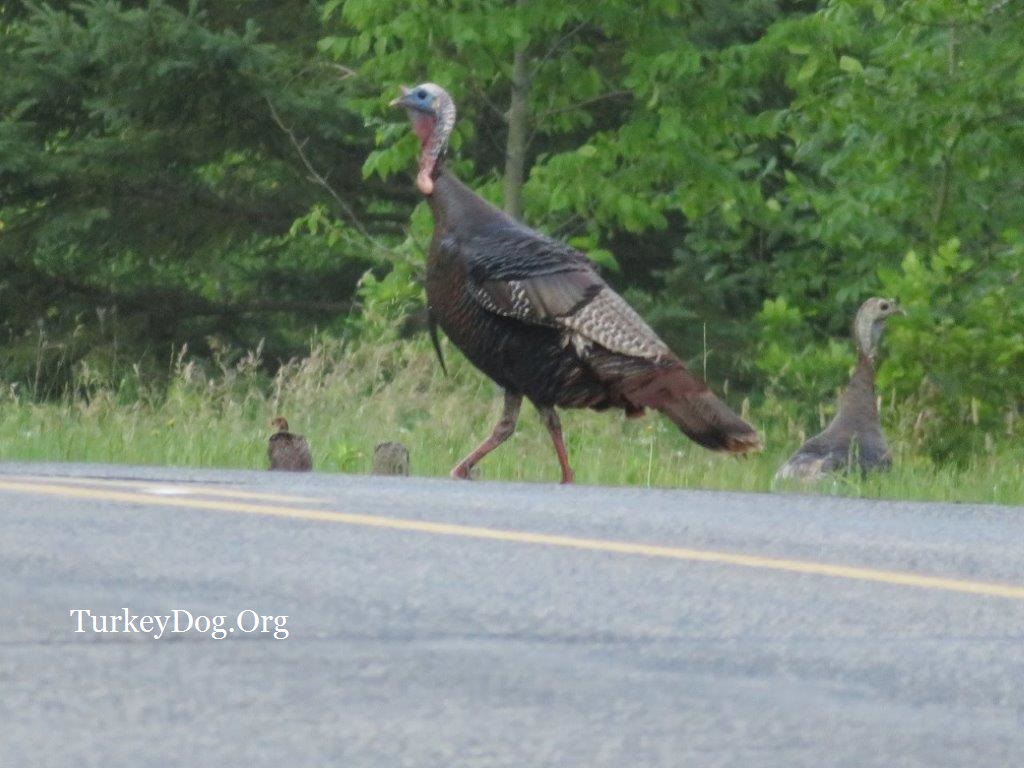 Hunting in the fall with a
dog gives us more insight into the collective
intelligence, complex cognitive abilities
and defense mechanisms of wild turkeys, than hunting
in spring. In most of the country, we are (or recently
were) living in the golden era of turkey hunting. Hunting in the fall with a
dog gives us more insight into the collective
intelligence, complex cognitive abilities
and defense mechanisms of wild turkeys, than hunting
in spring. In most of the country, we are (or recently
were) living in the golden era of turkey hunting. Is the aggregate knowledge of older, experienced turkeys critical to survival of the flock? Is spring gobbler hunting and the accompanying loss of flock intelligence responsible for the population decline in some states? How many genetic diversity studies have ever been done? Should we only hunt them in fall again, when the entire flock has their wits about them? For centuries hunters decoded every call of the wild turkey. It's easier to fool a sex-crazed male accompanied by a hen or two in the spring, than to fool a much bigger flock in the fall. Does a hen struggle more to protect her offspring, without the biggest, most aggressive, eldest gobblers off in the distance, alerting to danger? The starlings involved in the murmuration video above have declined in the last 40 years in Europe by 70%. Protecting habitat is just part of the answer. The revenue from spring turkey hunting is addicting. Heath hens and passenger pigeons dwindled slowly at first too. |
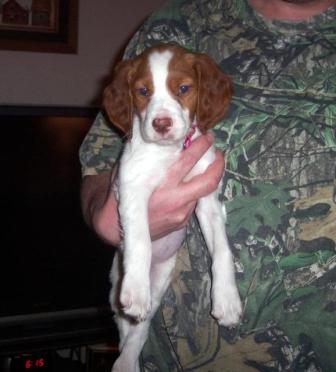 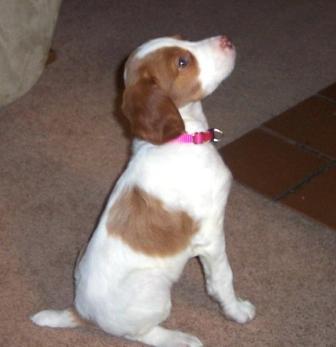 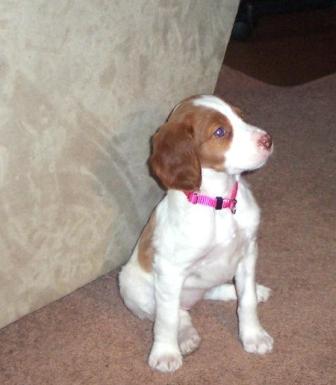 "Here are pictures of my 12
wk. old Brittany female named Kee-Kee. I'm hopeful and
excited about her progress thus far. I thought about
getting into turkey dogs for quite some time. With turkey
populations pretty high in my area, I figure it's now or
never. I'm very excited to be a part of this organization
and hope I can contribute in some small way. Thank you for
your efforts in passing on this "Here are pictures of my 12
wk. old Brittany female named Kee-Kee. I'm hopeful and
excited about her progress thus far. I thought about
getting into turkey dogs for quite some time. With turkey
populations pretty high in my area, I figure it's now or
never. I'm very excited to be a part of this organization
and hope I can contribute in some small way. Thank you for
your efforts in passing on this  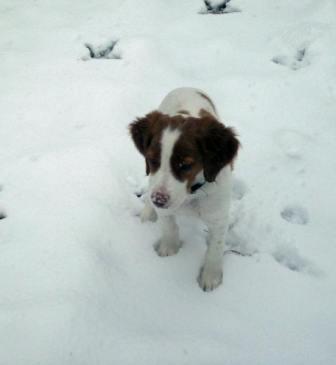  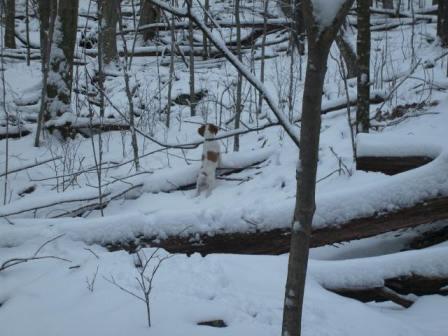 great
tradition." Todd
Clemens - Richwood, WV 3/10/09 great
tradition." Todd
Clemens - Richwood, WV 3/10/09This morning we went for a walk in 3" of fresh snow and Kee-Kee's good nose found turkey tracks right off the bat! We never did actually see them, but thought we heard them putting and calling. I was VERY pleased with this mornings events, this could get addicting very quickly. Good thing we were only out for a walk, because in WV and VA you can only train turkey dogs during the actual hunting season. Once Kee-Kee understands the rule book we'll have it made. Todd 3/13/09 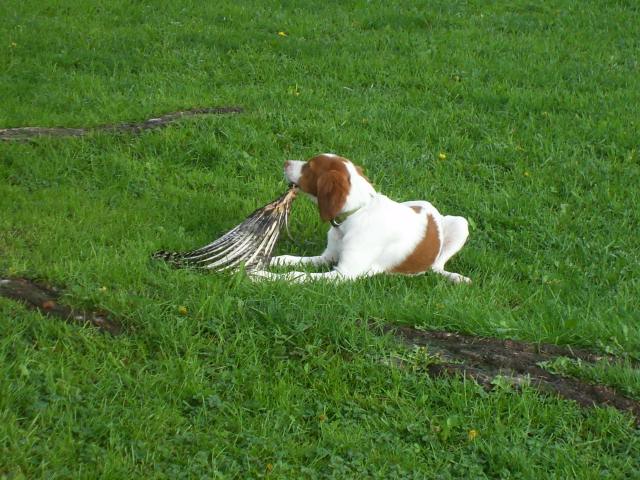 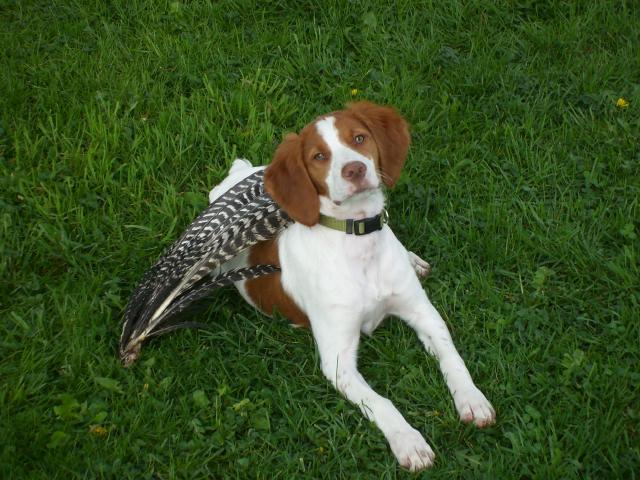 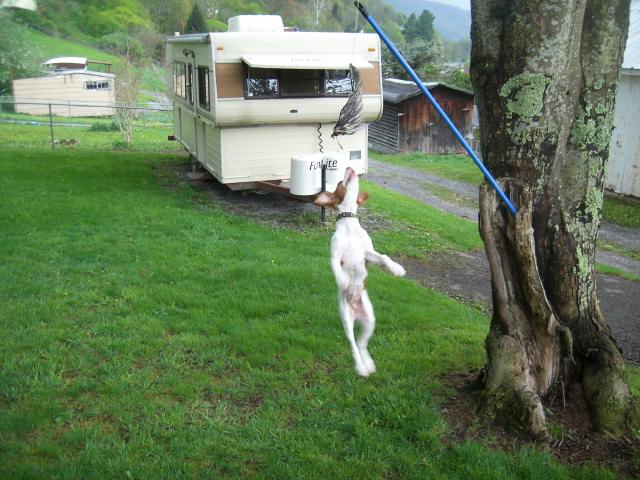  Here's some new pictures of Kee-Kee, she weighs about 21 lbs. now. The ones where she's laying down, I make her stay, and run the wing over her, until I tell her to get it. The ones with the wing in the air she is barking and leaping after it. Todd 4/30/09 |
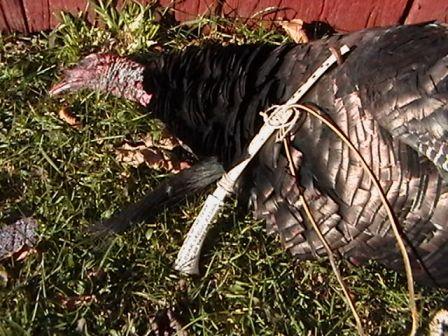 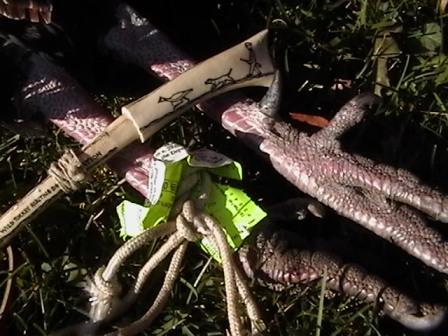 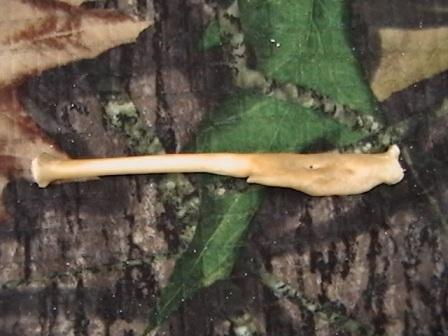 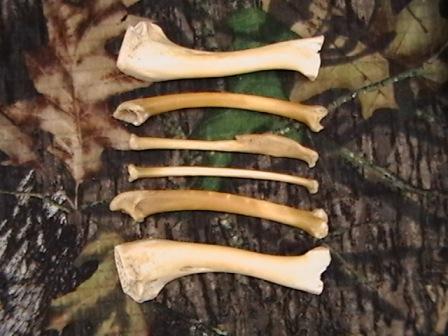 "I called 5 fall '06
longbeards in with a wingbone call I made from a spring
'06 longbeard, and shot this one. His Radius bone had been
broken & healed. 20#, 10" beard, 1" spurs." JF "I called 5 fall '06
longbeards in with a wingbone call I made from a spring
'06 longbeard, and shot this one. His Radius bone had been
broken & healed. 20#, 10" beard, 1" spurs." JF |
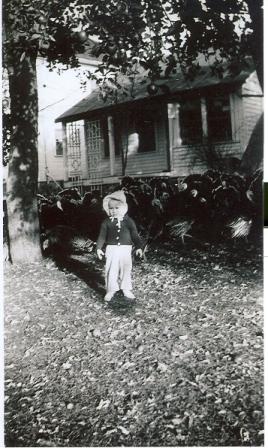 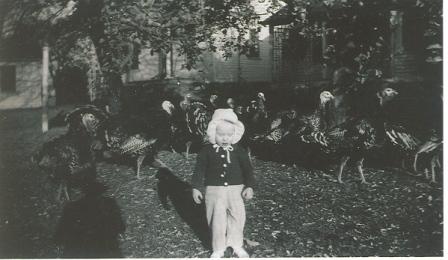 "I
found these pictures of me with Grandpa's turkeys, from
the fall of 1944 or 1945. Mom always worryied about me
being out and about with the "flock", but I never had any
fear. I remember helping butcher the turkeys, they were
hung upside down in the barn while we plucked the
feathers, and I got a quarter a day! These pictures show
the old summer kitchen (now long gone), to the right of
the main farmhouse, with all the apple trees in front."
Mary Ann S. - Kiel WI "I
found these pictures of me with Grandpa's turkeys, from
the fall of 1944 or 1945. Mom always worryied about me
being out and about with the "flock", but I never had any
fear. I remember helping butcher the turkeys, they were
hung upside down in the barn while we plucked the
feathers, and I got a quarter a day! These pictures show
the old summer kitchen (now long gone), to the right of
the main farmhouse, with all the apple trees in front."
Mary Ann S. - Kiel WI |
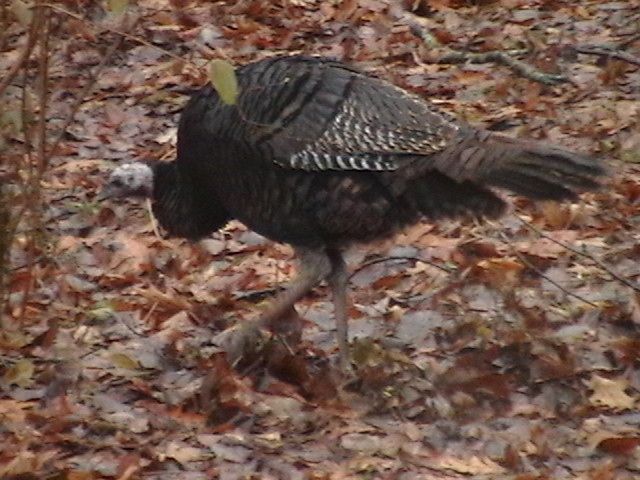 "The turkey's closest living relatives are the Asian pheasant and the African guinea fowl. The American turkey and the Asian pheasant are close enough genetically so that they can be mated through artificial insemination and produce offspring." Did you know the word 'gobble' used to describe the sound has been in the Oxford Dictionary since 1680? And like some lizards and snakes, the turkey hen has the ability to reproduce by parthenogenesis (without the gobbler). The Turkey: An American Story. |
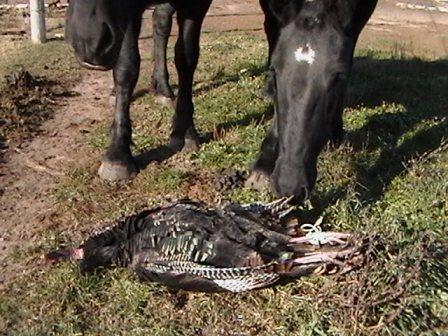 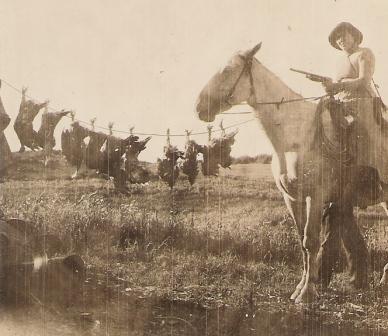 "Until dogs
are allowed in the whole state we use a different method.
We lead a team of plow horses at an angle right up to the
turkeys, let go of the halters, stop, and let the horses
keep walking. When the horses get past the hunter, the
turkeys are caught flat-footed; boom! The key is making
sure their kick can't reach you when the gun goes off. We
call them our Turkey
Horses." David Edge - White Lake, WI "Until dogs
are allowed in the whole state we use a different method.
We lead a team of plow horses at an angle right up to the
turkeys, let go of the halters, stop, and let the horses
keep walking. When the horses get past the hunter, the
turkeys are caught flat-footed; boom! The key is making
sure their kick can't reach you when the gun goes off. We
call them our Turkey
Horses." David Edge - White Lake, WI |
|
The Chief Biologist from
Virginia said: 'In every state you look at, hunter
effort for fall turkeys is declining.' That's the same
story heard in Wisconsin, and West Virginia. And again
in Virginia.
"It could be true considering the fall tradition has been nearly lost, and many hunters don't know how to use a dog. There's a misconception turkey dogs are wide ranging. But in today's urban landscape, and at my age, the close working dog suits me fine. How much interest would there be in pheasant or grouse hunting if you couldn't use a dog? Fall turkey hunting is no different. It can be done alone, but it's always more fun hunting birds with a dog. The only game more challenging to hunt than fall gobblers is sheep and goats, that's for sure. The archers who hesitate to run through the woods chasing turkeys with a quiver full of broadheads can particularly benefit from a trained dog breaking up the flock, so they can call the bir 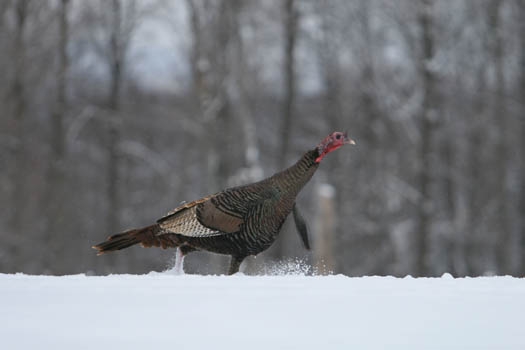 ds ds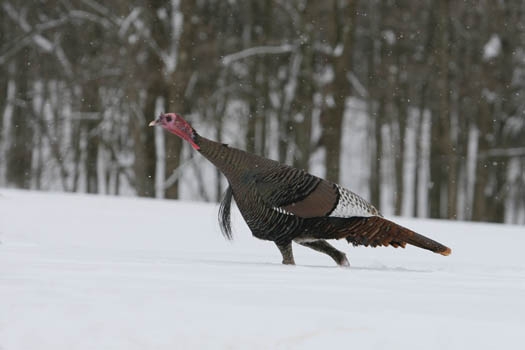 in a controlled manner. Fall hunter participation is
not down for lack of turkeys, but lack of awareness.
It's too bad there's so few left who know how it's
done. Maybe it's too much competition with the other
fall hunting there is. Some say us fall turkey
dog hunters are a dying breed, but me and my dog still
do our part." Shorty Adams - Buffalo
Gap, SD Photos Monte Loomis
in a controlled manner. Fall hunter participation is
not down for lack of turkeys, but lack of awareness.
It's too bad there's so few left who know how it's
done. Maybe it's too much competition with the other
fall hunting there is. Some say us fall turkey
dog hunters are a dying breed, but me and my dog still
do our part." Shorty Adams - Buffalo
Gap, SD Photos Monte LoomisSurveys indicate we are a dying breed, and show a decline in both the total number of hunters and the total amount spent by hunters. Overall participation dropped 4% from 2001 to 2006, and 10% from 1996 to 2006. Who's going to fund our wildlife management and Fish & Game budgets? From the 2006 National Survey of Fishing, Hunting, and Wildlife-Associated Recreation. |
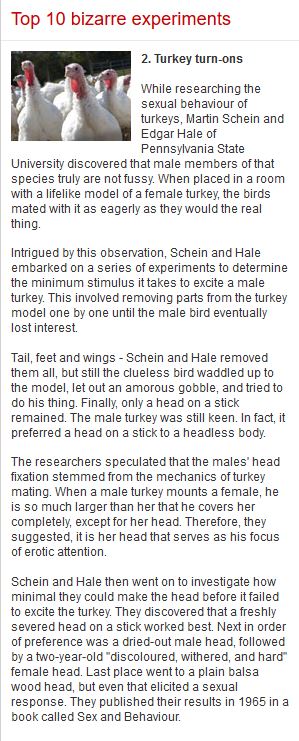
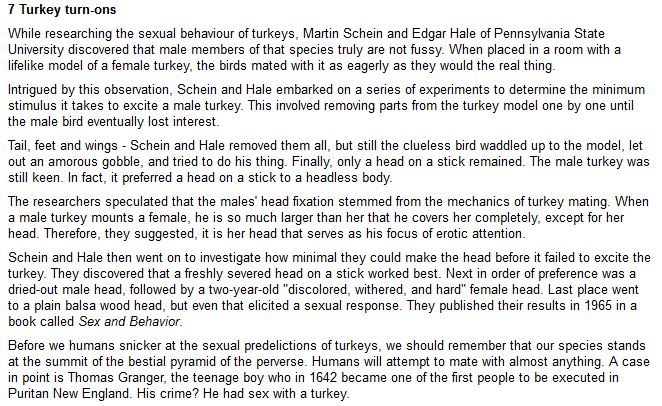
| In the 1960's, Pennsylvania State University
researchers conducted experiments
to determine the minimum stimulus it takes to excite a
male turkey, utilizing a model hen. When they removed
parts of the model, including the tail, feet and wings,
the male still continued to gobble and mate. All the male
needs is a wooden turkey head on a stick for the gobbler
to become aroused and mount. Next time you wonder if your
calling & decoy are good enough for spring gobblers,
remember the head
on a stick. "Back when turkey decoys were illegal in Alabama, the alternative was the old coke can on a stick." Ralph Scherffius 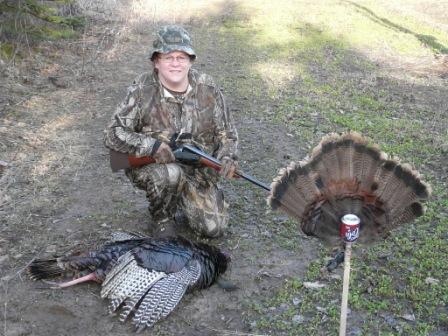 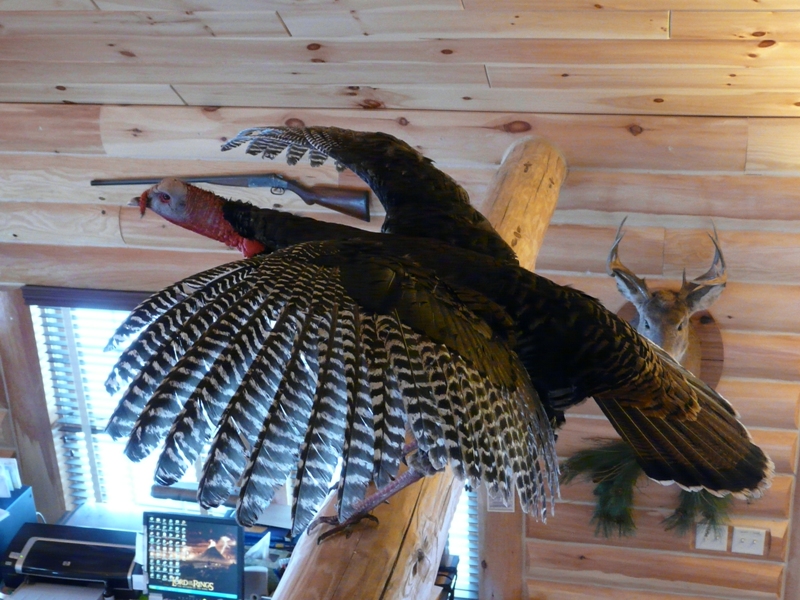 "After
reading about this enticing research, I decided to try a
homemade stick decoy. I used a jake fan and a small red
soda can and rubbed the stick in the mud to dull it up a
bit. The first morning I put it out, a double bearded
gobbler walked in to my tail on a stick, eyeing it the
whole time, and stopping to strut occasionally, until he
got close enough to my 20 gage. I know it works, picture
attached. 7AM 4/17/08 2 beards 10” & 4”, 18 lbs., 1”
spurs. The mount depicts his last wing flap as he flew
down. Patty N. WI "After
reading about this enticing research, I decided to try a
homemade stick decoy. I used a jake fan and a small red
soda can and rubbed the stick in the mud to dull it up a
bit. The first morning I put it out, a double bearded
gobbler walked in to my tail on a stick, eyeing it the
whole time, and stopping to strut occasionally, until he
got close enough to my 20 gage. I know it works, picture
attached. 7AM 4/17/08 2 beards 10” & 4”, 18 lbs., 1”
spurs. The mount depicts his last wing flap as he flew
down. Patty N. WI 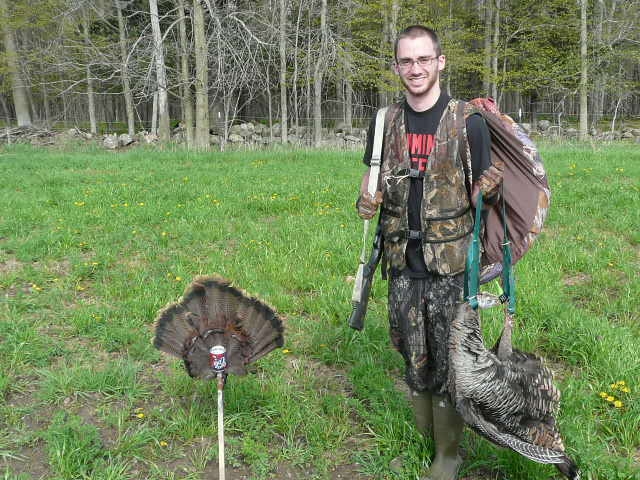 Thanks for loaning me your decoy, Patty. This grey-phased bearded hen heard our calling, then saw your homemade decoy, and walked right in. When we prepared the meat for my favorite turkey jerky, we found she was the fattest bird we had ever seen in spring! Apparently she didn't waste energy mating or nesting, so everything she ate went right into fat. Thanks again for the decoy that helped me get this unusual bird. I'll use her white-tipped tail fan for my own decoy and see how that works. Aaron F. Madison WI 5/08 |
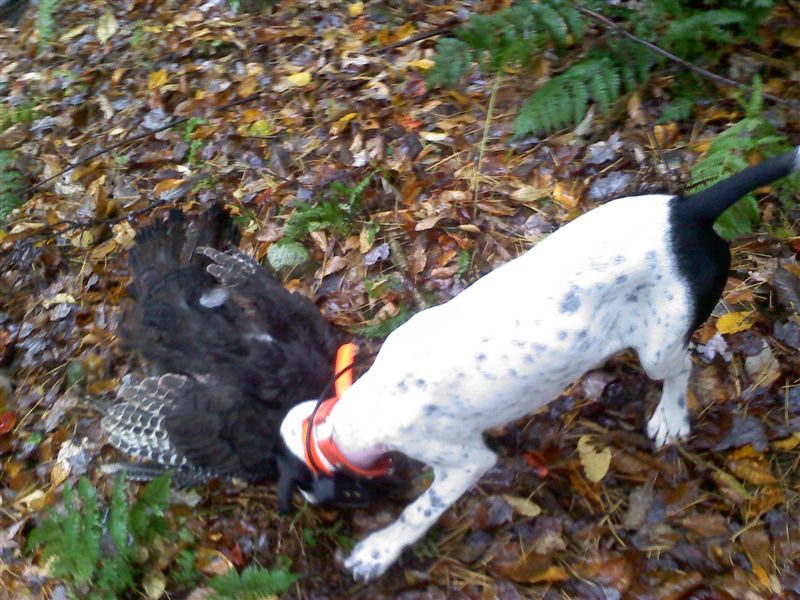 This is Gunners first kill at
age 4 1/2 months, when we hunted with Ron Meek and a few
others at The
Roost. It was sunny and 60 degrees, but
that night it started to rain, and for the next three
days. Gunner got a break on Monday, but we could not get
the birds to come in. On Tuesday, we hunted the Gravel
Bank Farm. When we drove up the dirt road, as we turned
the corner, there are 2 jakes, a few hens and deer running
into the woods. Ron let Jinger Lou and Gretchen off the
leash This is Gunners first kill at
age 4 1/2 months, when we hunted with Ron Meek and a few
others at The
Roost. It was sunny and 60 degrees, but
that night it started to rain, and for the next three
days. Gunner got a break on Monday, but we could not get
the birds to come in. On Tuesday, we hunted the Gravel
Bank Farm. When we drove up the dirt road, as we turned
the corner, there are 2 jakes, a few hens and deer running
into the woods. Ron let Jinger Lou and Gretchen off the
leash 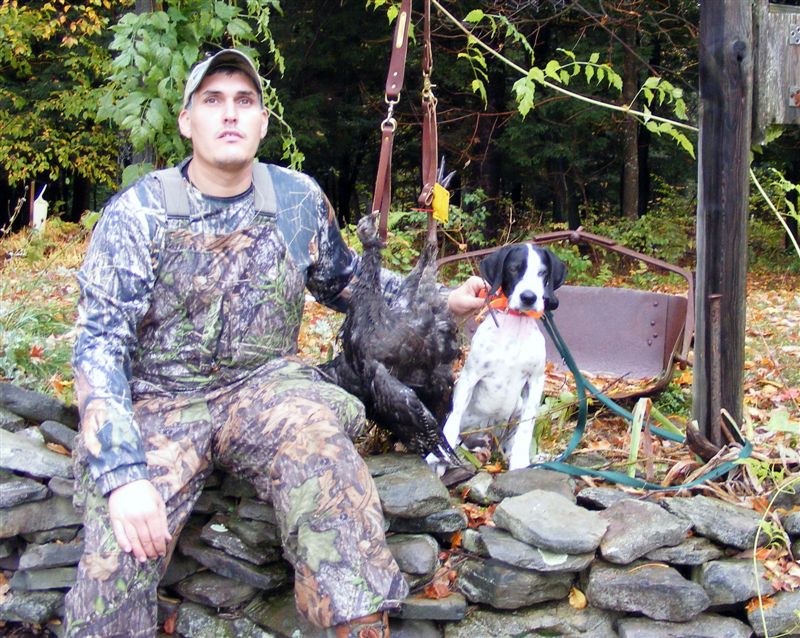 and
they ran ahead. I kept Gunner leashed until we got closer.
When I let him off the leash, he tore up the road and
started to bark and yip. Birds start to flush. We set up -
I went to the East against a big hemlock. Called a bit,
but nothing at all. About 2 hours later, I hear a soft kee
kee to the East and return the call on my Cox trumpet.
Gunner tries to stand up in the bag and starts to growl
real low. I get him to lay down and I see the bird
at 50 yards. He makes it to about 35 yards and Gunner is
wanting at this bird bad. I get the bead on the bird and
Boom he goes down, rolls a bit and is flopping. I let
Gunner go to the bird. I figure he has it under control.
The picture with him at the turkey is when I got to him.
Not bad for an 20 week old pup. In case you're wondering,
he's wearing a Garmin tracking collar, it sure gives us
some peace of mind. Job
Seger - Coal Township, PA 10/15/10 and
they ran ahead. I kept Gunner leashed until we got closer.
When I let him off the leash, he tore up the road and
started to bark and yip. Birds start to flush. We set up -
I went to the East against a big hemlock. Called a bit,
but nothing at all. About 2 hours later, I hear a soft kee
kee to the East and return the call on my Cox trumpet.
Gunner tries to stand up in the bag and starts to growl
real low. I get him to lay down and I see the bird
at 50 yards. He makes it to about 35 yards and Gunner is
wanting at this bird bad. I get the bead on the bird and
Boom he goes down, rolls a bit and is flopping. I let
Gunner go to the bird. I figure he has it under control.
The picture with him at the turkey is when I got to him.
Not bad for an 20 week old pup. In case you're wondering,
he's wearing a Garmin tracking collar, it sure gives us
some peace of mind. Job
Seger - Coal Township, PA 10/15/10 |
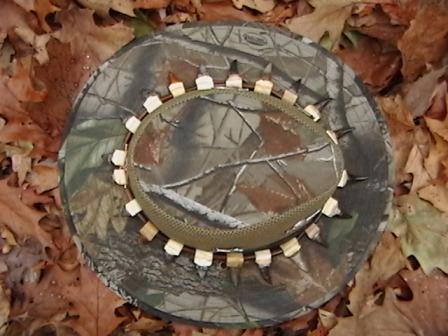 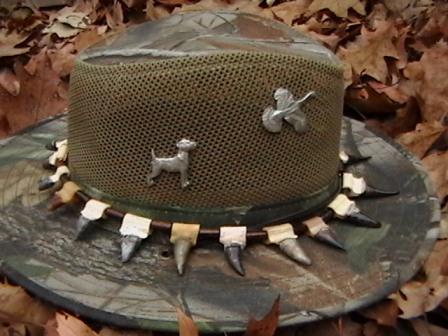 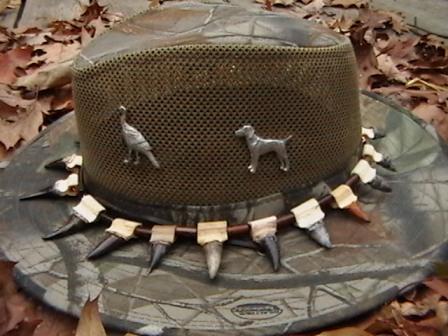 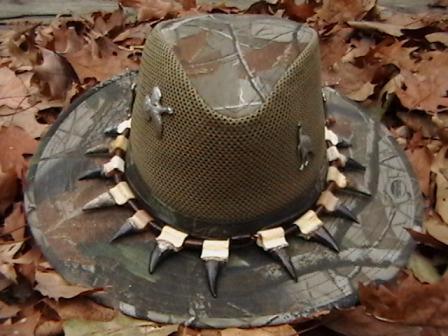 Finally made a hatband of wild turkey spurs. J.F. |
|
Home | About
Us |
Books
| Breeds
| Classifieds | FAQ
|
History
| Kit
Shaffer
Legislation | Links | Scratchings | Spring | Stories | Tales | Shop in the Store Members are invited to send pictures of yourself and your dog, with a short story like these: Carson Quarles | Earl Sechrist | Frederick Payne 1 | Frederick Payne 2 | Gary Perlstein | Gratten Hepler | Jon Freis 1 | Jon Freis 2 | Larry Case | Marlin Watkins 1 | Marlin Watkins 2 | Mike Joyner | Mike Morrell | Parker Whedon | Randy Carter | Ron Meek 1 | Ron Meek 2 | Tom McMurray | Tommy Barham 1 | Tommy Barham 2 Members Only: Hall of Fame | Members | Museum | Studies | and the States KY | NC | NY | OH | ON | PA | TN | VA | WI | WV © 2006 - 2026 American Wild Turkey Hunting Dog Association All Rights Reserved Permission to copy without written authorization is expressly denied. |